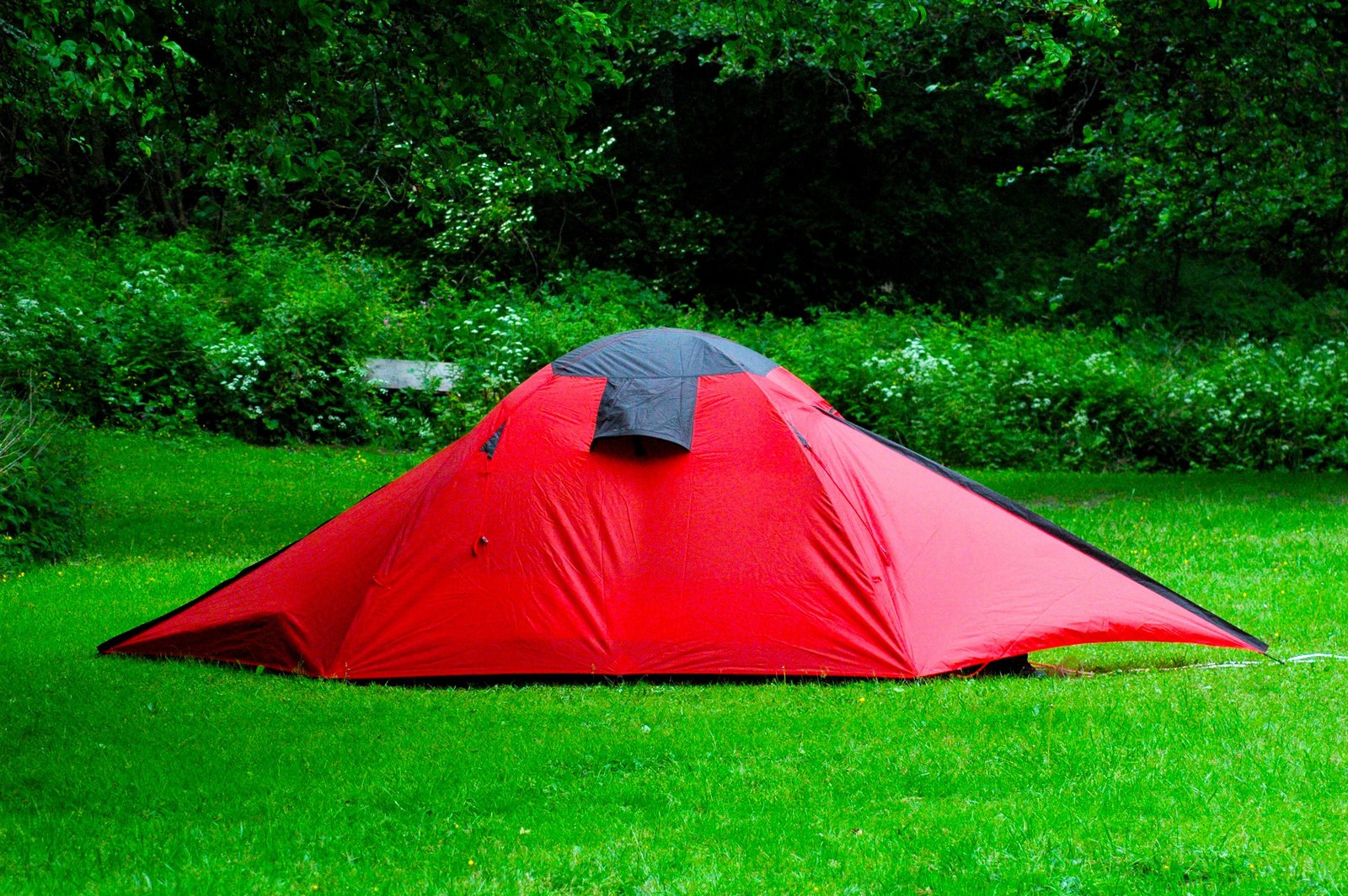
How to Choose Your First Tent
Beginner Basics
Picking your first tent doesn’t need to be complicated. This guide shows you what matters, what doesn’t, and how to choose a tent that keeps you comfortable and confident on your first camping trip.
Quick Summary
Match your tent to the weather you’ll be camping in
Choose a size that actually fits you and your gear
Learn what materials and waterproof ratings mean
Find features that make camping easier for beginners
Avoid the common mistakes first‑time buyers make
What Makes a Good Tent?
A good tent keeps you dry, comfortable, and protected from the weather. For beginners, the most important things to focus on are size, season rating, ease of setup, and basic durability. You don’t need anything advanced or expensive - just a tent that’s reliable, straightforward, and suited to the kind of camping you plan to do.
Step-by-Step Guidance
Step 1: Decide Where You'll Be Camping
Where you plan to camp affects the type of tent you need. Campsites are usually sheltered and flat, so almost any beginner tent will work. Wild camping often means uneven ground and changing weather, so you’ll want something lighter and more compact. Festivals are a mix - if you only go once, a simple budget tent is fine, but if you’re a regular festival‑goer, a sturdier tent you can reuse year after year is a better investment.
Step 2: Choose the Right Size
Tent sizes can be misleading. A “2‑person” tent is usually comfortable for one person plus their gear, while a “3‑person” tent suits two people much better. If you’re camping with family or friends, consider a larger tent with separate sleeping areas or a porch for storage.
It’s also worth thinking about standing height. Many smaller tents don’t allow you to stand up inside, which can make changing clothes awkward and uncomfortable. If you prefer being able to stand or move around more easily, look for a tent with higher headroom or a design that includes a standing‑height living area.
As a simple rule, choose a tent one size bigger than the number of people sleeping in it.
Step 3: Understand Materials
Tent materials affect durability, weight, and weather protection. Aluminium poles are stronger and more reliable than fibreglass, especially in windy conditions. Polyester fabric is common and perfectly suitable for beginners.
Waterproofing is one of the most important things to check. Just because a tent is a shelter doesn’t mean it’s fully waterproof - and if you don’t plan for the right weather, your belongings can get soaked. Look for a hydrostatic head (HH) rating of at least 2000mm for typical UK camping. Higher ratings offer better protection in heavy rain, but they also increase cost.
Step 4: Check Weather Ratings
Weather ratings tell you when a tent is designed to be used. A 2‑season tent is suitable for summer, while a 3‑season tent works well from spring through autumn and handles wind and rain more reliably. 4‑season tents are built for winter and snow, and most beginners won’t need one. For typical UK camping, a 3‑season tent is usually the best balance of comfort and protection.
Step 5: Look for Beginner‑Friendly Features
Some tent features make camping much easier for beginners. Colour‑coded poles help you pitch the tent quickly and correctly. A porch or vestibule gives you space to store muddy boots and wet gear. Good ventilation reduces condensation inside the tent.
Built‑in groundsheets can be helpful too, but only when they’re designed properly. Look for a bathtub‑style groundsheet that rises just a few inches up the tent walls. This keeps water out while still allowing any accidental water inside the tent to drain toward the edges. Avoid designs where the groundsheet is attached high up the walls, as these can trap water and create puddles inside the tent.
Easy‑access doors and simple layouts also make a big difference to comfort and convenience. These small details can turn a basic tent into one that feels much more user‑friendly.
Common Mistakes
Beginners often choose a tent that’s too small, too cheap, or not suited to the weather they’ll face. Ignoring waterproof ratings is a common issue, as is buying a tent without enough ventilation. Another mistake is choosing a tent that’s difficult to pitch, which can turn the first trip into a frustrating experience. Taking a moment to check these basics helps avoid most problems.
Putting It All Together
Choosing your first tent doesn’t have to be complicated. Focus on where you’ll be camping, pick a size that gives you enough space, check the materials and weather rating, and look for features that make life easier. Once you understand these basics, finding a reliable beginner tent becomes much simpler. Take your time, compare a few options, and choose something that suits the way you want to camp.